
My Traveling Philosophy
And other anxieties abroad.

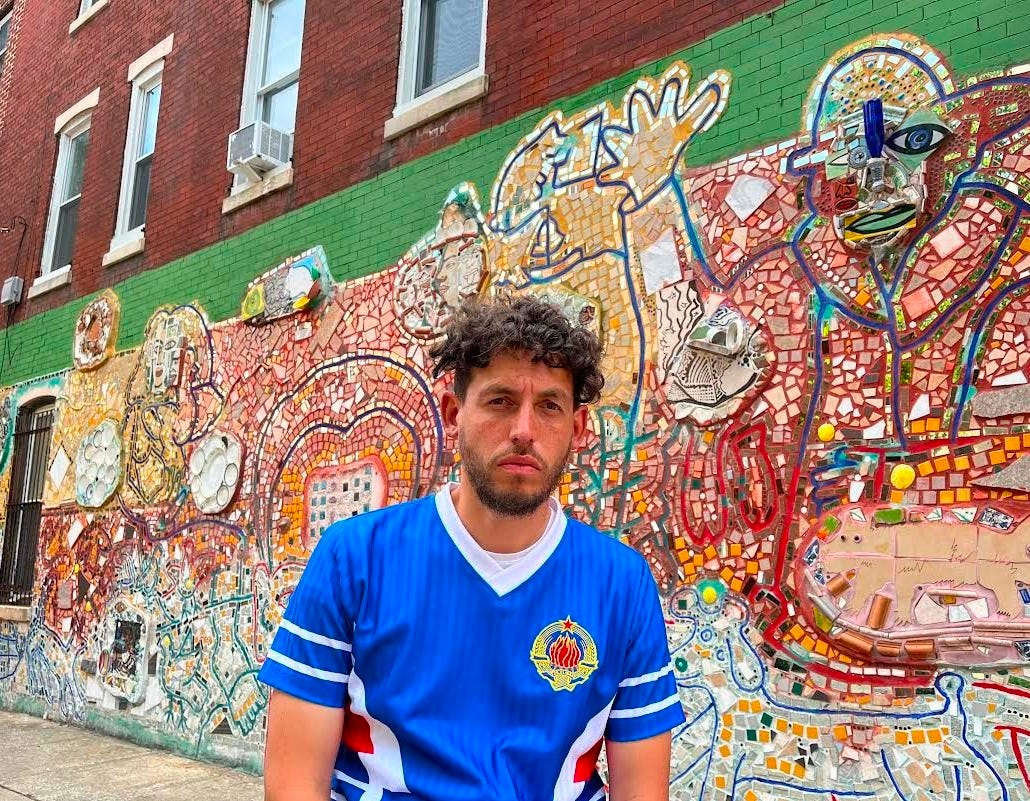
After quite a few visits around the country and Europe to catch matches, I feel confident enough to state my ground-hopping/travel philosophy. Its not a philosophy that I’m preaching for you to follow, but in order for you, dear reader, to understand more about me and what Out of Grounds is all about. Despite having much to learn in the realm of Ground-Hopping and travel, I think I do quite well in terms of affordable access to unforgettable experiences while avoiding tourist traps and an overall lack of shit encounters. If you are ONLY interested in being on the beers in a lovely square with a visit or two to monuments, by all means, do you, but be warned my style might not be for you. But if you are interested in a bit of history, culture, art, or cuisine sprinkled in between the football and beers, then this could be the place for you.
While on these trips I am, of course, a tourist, but I try to maintain the ruse of being a local as long as possible. I find that blending in as long as possible is beneficial. Sometimes the interactions go on without a hitch, but more often than not, at some point the jig is up and I am exposed as the tourist that I am, and even worse, an American tourist. In some of these situations I then have the opportunity to describe the parallels and complexities of American society. They see the news, they hear the stories, so as a beacon of Americanness, its my civic duty to demonstrate that Americans aren’t war hungry capitalist pigs even as our society operates to praise and reward those types. In actuality, the trope of the ignorant/arrogant American Tourist helps. If you take a little bit of time to learn some of the language, history, or customs of the nation you are visiting, it is greatly appreciated by locals. I find that if you do this little bit of research, it saves you from looking like a complete dickhead abroad. With even further knowledge, you can connect that extra little bit to make your experience more enjoyable and memorable.
There are two types of travel, transactional, and experiential. Transactional is where one visits and/or pays to do or see something. This looks like, “I went to Rome, saw the coliseum, saw the Sistine Chapel, wandered around the Vatican, saw the Pantheon, ate a Carbonara, and got my photo at the Trevi Fountain. That’s Rome sorted.” On these trips you do in fact see Rome and if that’s your goal, well done. I want more. Despite reality, I want to FEEL Roman. I want to walk the streets without a GPS and know exactly where I am and where I’m going. I want to be on the tram or metro like I’ve been on it hundreds of times. Although I will always be, I do not want to feel like an outsider. I don’t want to be a tourist.
Being a tourist can feel like being herded around like money-spending cattle from one sight seeing pasture to another. Businesses prey on your lack of knowledge and inability to decipher or access a legit ‘authentic’ experience. There is a comfortability in following the herd. Sights you are familiar with. Food you understand. Languages you can communicate in. Honestly, its probably easier that way, but its not for me. That is why I prefer the new, hot, and trendy “experiential travel.”1 Or as I like to call, “not travelling like a complete prick where you don’t center yourself or your comfort in an attempt to immerse oneself into the local culture and city.”
Experiential is meant to engage you more directly with the culture, history, and overall vibe of a city rather than just sight seeing. Despite popular convention, on these trips one has to fight the urge to see and do as much as one can. If the influencers are to be believed, you can “go here, then pop over there, and then zip to this place” all on your one week trip, but in reality, its crucial to plan your destinations and locations in accordance to your goals. Traveling from America, I tend to try and stretch these trips as long as I can. I try to mix up the locations and amount of time spent in each place. One place I might stay for a week, the next a few days, and another for the remainder of the time. How I choose each destination involves variables such as; footballing schedule, distance between locales, and preferences on type/mix of cities I want.2 Some cities lend themselves to more easily connect than others.
The obvious vessel for connection on these trips is the Football. Whilst traveling abroad I wield it as often as possible and it produces results. Luckily, the bar for American tourists is so low, even the mentioning of football allows others to know you aren’t a complete tool and are perceptive to cultures other than your own. If you can discuss beyond a basic awareness, people tend to be pretty impressed and who knows where that could lead. I’ve seen and read that in some South American cities, they are so welcoming you might even get an invite to a game.3 In my case, a chat about football turned into a few great evenings that allowed me to scratch beyond the surface of Milan while learning a bit about Italian culture and how American culture is projected abroad. Although this didn’t involve going to a game, its interactions like that which will last longer than 90 minutes.
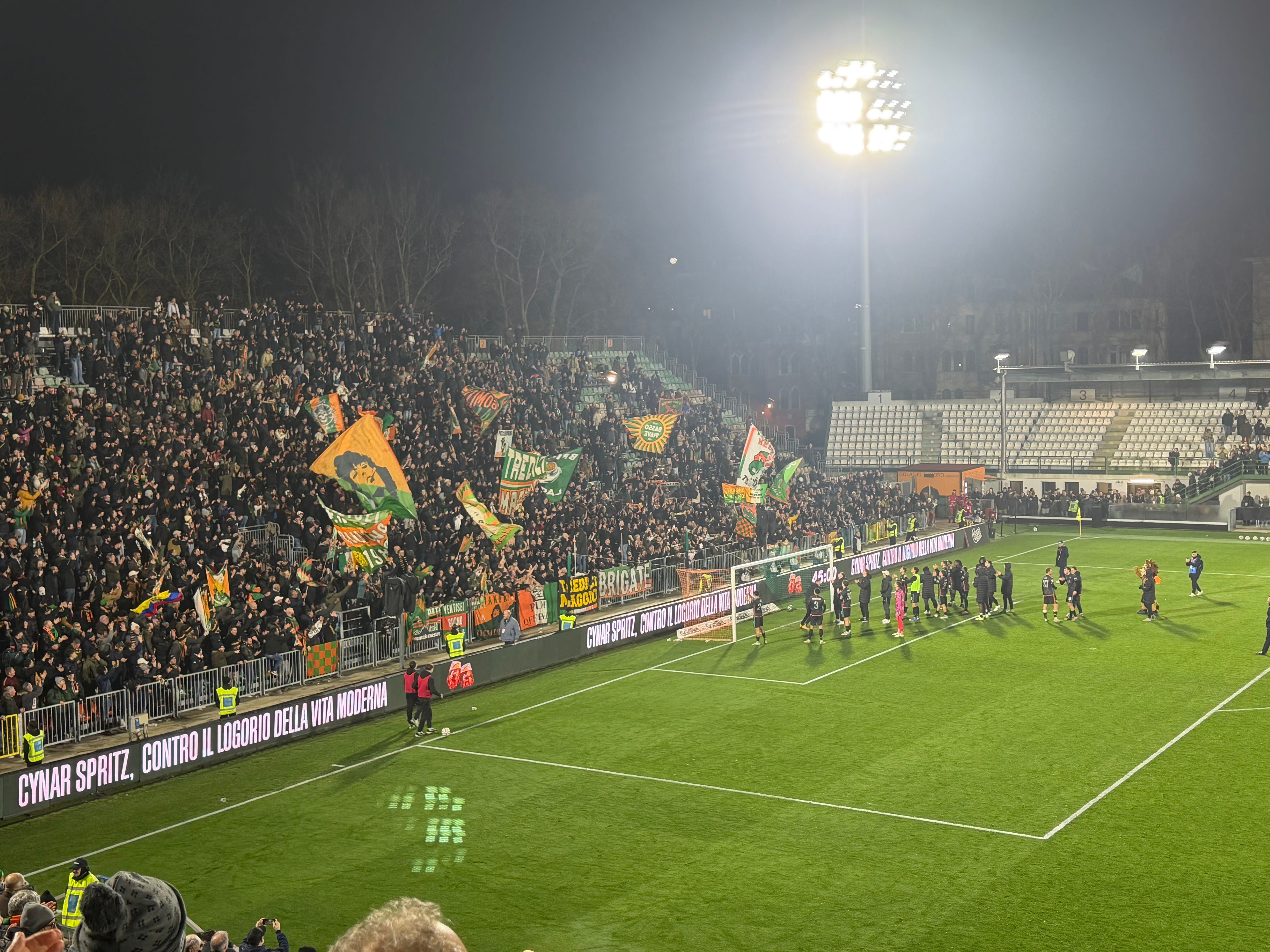
On most of my trips, the ultimate goal is to watch a game. Decide early if you desire a marquee game in a destination stadium or a rivalry match where tickets will possibly be a tough get.4 A London Derby is gunna be much harder to acquire than a second division match in the heart of a gastronomic destination like Italy’s Emilia-Romagna or the Basque Region of Spain. Maybe the teams or divisions do not matter as much and you simply just want to see the local team and take in the atmosphere. If you are lucky with the schedule and plan early, all your hopes can come to fruition. Also, keep in mind that the high tourist season during the summer will not have domestic football as an option, so you’re looking at Spring, Fall, or Winter. Of course the Summer international tournaments exist, but with those come premium prices for flights, match tickets, and accommodations. A fair trade off to see some of World football’s elite.
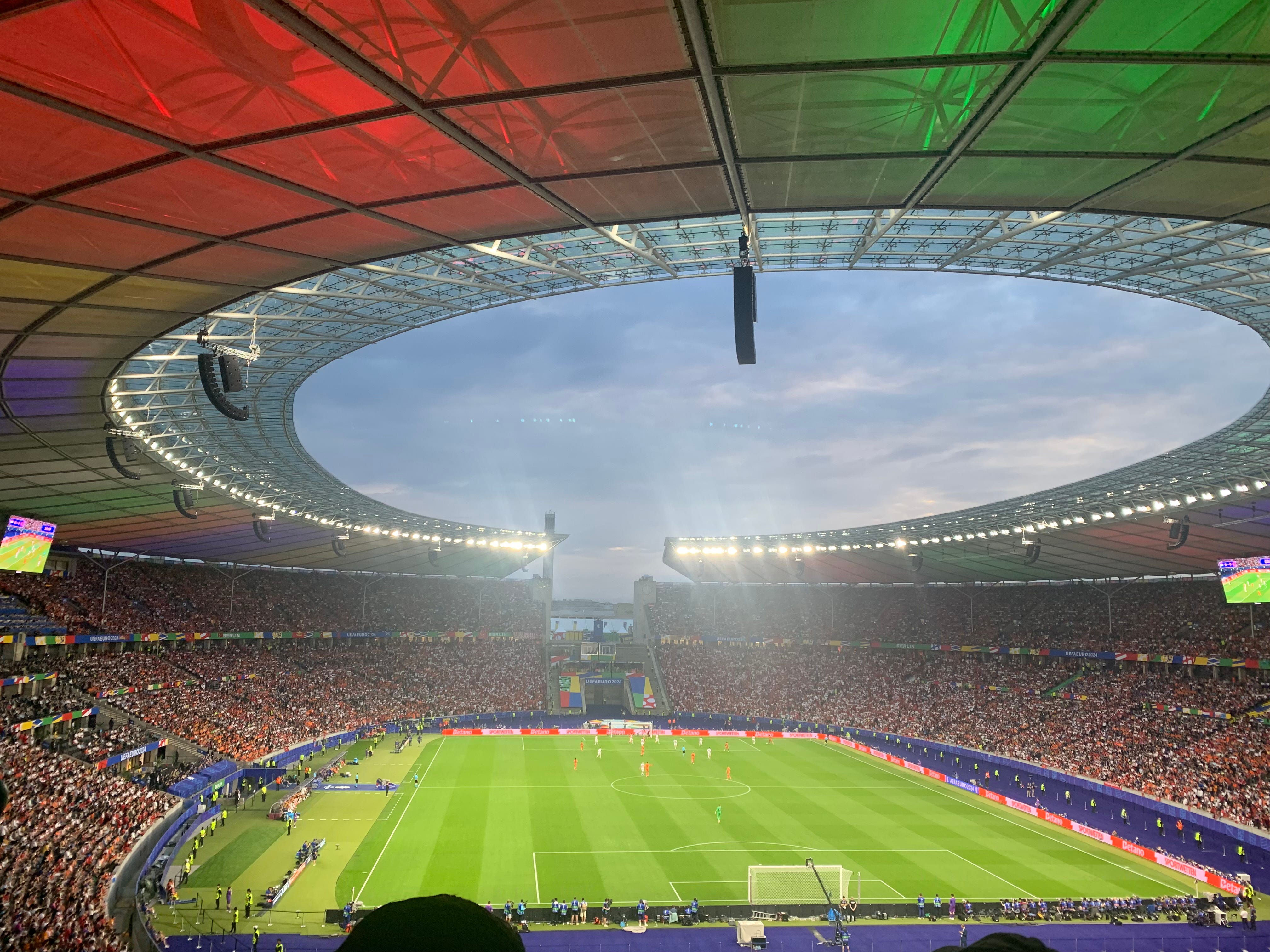
Once you’ve narrowed down your match/destination goals, the next thing is to consult the schedule. If you are going to Europe, the Champions, Europa, and Conference leagues weeks are clutch because it gives opportunities for more matches. (South America offers Copa Libertadores and Sudamericana.) Local cup weekends are also good to pop into. When I went to Italy, I was able to see three matches in three locations. Each destination offered varied footballing experiences from pre/post match, ticket prices, and local geographical variables based on accommodations. After understanding your footballing/cultural needs and desires, you can ‘choose your own adventure’ in terms of staying near the stadium to erase any travel time, or stay in a more culturally significant area and make the trek to the stadium.
For example, in Milan we stayed close to Milano Centrale, but San Siro is way out west and took some time to get to. With that as the situation, one has to account for the metro out that was ABSOLUTELY F**KING PACKED!5 Also, getting back to our spot near Milano Centrale was rough after the game as the metro was so full you couldn’t even enter the station. The trams were also packed to the gills. The walk back was an hour and forty minutes. Finally we got lucky with a taxi an hour after the game. After another Inter L in the derby, I was less than pleased. Not quite a nightmarish scenario, but was not as peachy as the post match at Torino or Venezia.
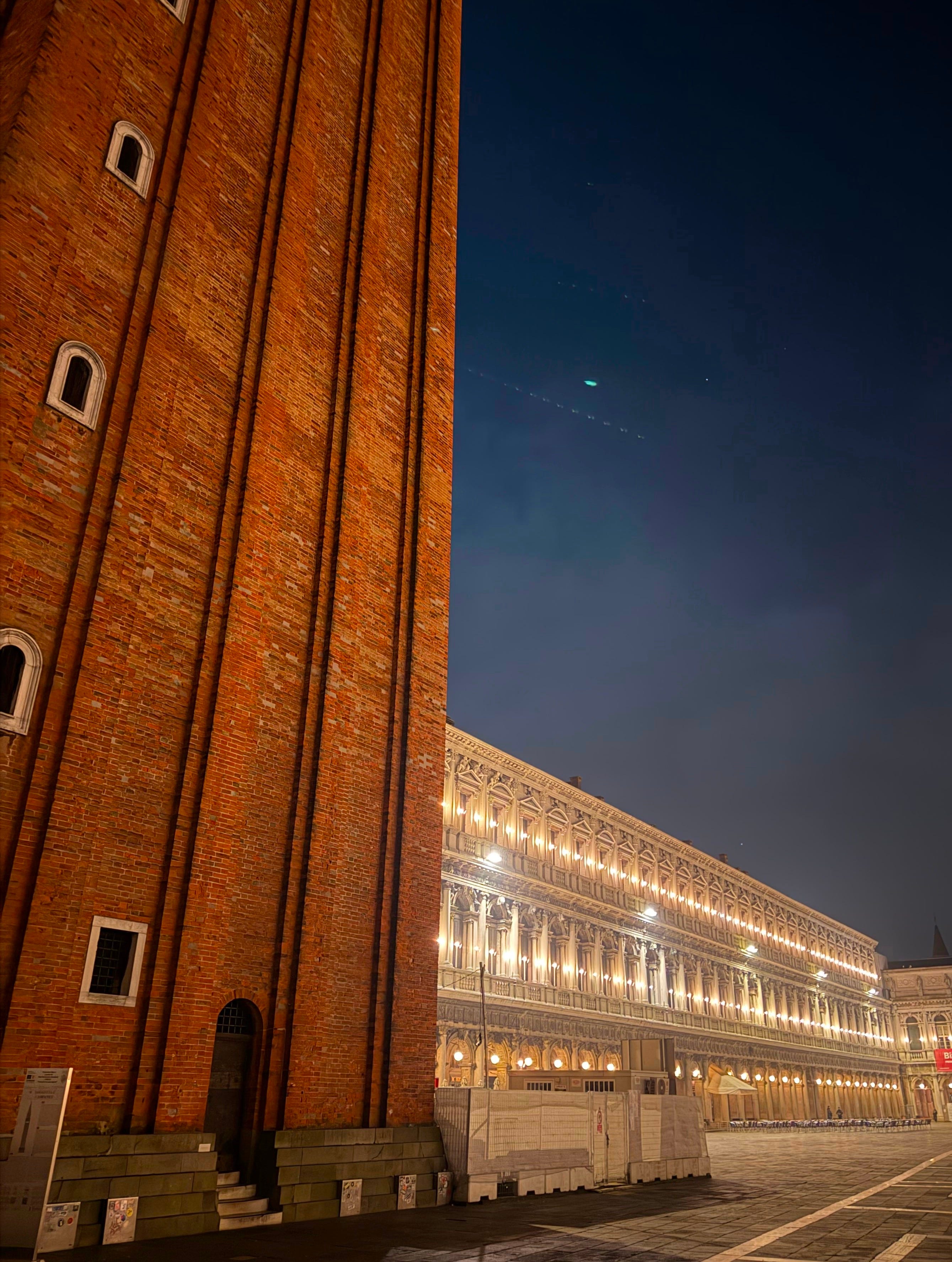
In Torino, I stayed three blocks from the stadium and was able to take part in the pre-game atmosphere that featured the boycotting ultras hosting a 5-a-side tournament. Then after the match I was able to skip out on all the post-game transit. Like Milan, in Venice I stayed at the opposite end of the city from the Stadium. Unlike Milan, I took the water bus from one end to the other where I watched the Arancioneroverdi fill the boat with their orange, black, and green scarves. After the game, we opted for the hour long walk back to our room, stopping off at bars along the way. Seeing the city by night with almost nobody else was a huge bonus. Basically, the moral of the story is to choose your matches and accommodations wisely because it can have unknown benefits or consequences on your experience.
Next I would like to talk about eating and drinking. While there is no set amount of meals or drinks one is allotted while on vacation, a bad mealtime experience can leave more than just a bad taste in your mouth. Eating in foreign countries can be difficult and those less than optimal experiences can make it feel like you wasted an opportunity. If those begin to pile up, its not just your meals being wasted, its your money as well. While I have had some of the best meals of my life while traveling, I have also had some right stinkers. Whether situational or out of necessity, tourist trap mistakes happen and I want to help others avoid them.
There are certain tourist trap tells that most know at this point. If the: waiter is standing outside beckoning you in, the menu in English, location is near major monuments or site, walk the other way and fast. These places are designed as ruse to separate tourists from their money whilst peddling generic food like burgers or pizza, and an occasional regional dish made with poor quality. Obviously there are exceptions to the rule, but as a standard set of characteristics to avoid, those are a solid start. Another huge clue as to a restaurant being worth your time is the amount of customers and more importantly, LOCALS. If I’m looking for an evening drink in Italy and there aren’t a bunch of people sitting/standing outside smoking cigarettes, I’m not going. This is where an understanding of the local culture can help tremendously. Do locals eat dinner early or late? Keeping on schedule with local trends can help you avoid bad experiences.
One big recommendation I have is to pick a spot adjacent to your accommodation, could be for coffee, afternoon beers, place to watch the football, more beers, whatever, but the idea is to have spot you can frequent and become more comfortable in practicing the local customs or language. Multiple visits can help establish a rapport with the staff and you can make it clear you aren’t just a regular tourist, you’re a cool tourist. From this interaction you can gain confidence, get recommendations and gain insight into the local food, football, music, or whatever scene you’re interested in. There are more tips but each might be more localized than the scope of this piece, so do your research!
This last section is about monuments, tours, and museums. Despite my inherent aversion to tourist-y activities, sometimes you have to set your cool, independent-thinking, and mysterious ways aside to feast your eyes(and ears) on historical and cultural artifacts. I do recommend a walking tour to acclimate yourself to a city you’ll be spending more than a few days in.6 While I’m not typically going site to site in search of Instagram-worthy moments, I might prioritize a site or museum and work my day around that. This plan, of course varies city to city, but this is where it all comes back to personal preference and interests. For example, as an art and architecture enthusiast, tourists be damned, in a week long trip to Paris I am certainly visiting as many Art museums as I can stomach with a large side of classic to modern architecture. The particular history and cultural artifacts in Paris interest me, but in other cities with a rich cultural history, I might skip out on some of the “must-sees” because they don’t interest me or might not be worth the tourist vibe and prices.
At the end of the day, my philosophy is not based on the things “YOU MUST SEE AND DO IN SUCH AND SUCH CITY,” but rather on the experience you desire based on preferences and interests. The football is only 90 minutes, but what will you do with the rest of your time? Will you follow herd in awell trodden path? Or will you prepare for and chase a once in a lifetime experience designed by you and the things you’re inspired by? I know my answer, and if you’ve made it this far, I know you’ll agree.

Definition of experiential travel via National Geographic, https://www.nationalgeographic.com/travel/article/is-experiential-travel-the-next-big-trend
For example, two and a half week trip to Italy could look like, Torino(5 days), Milano(3 days), Venezia(2 1/2 days), a Lake Town(2 or 3 days), and Bologna (4 days). I like cities with less of a touristy vibe so the ultra tourist destinations I tend to be there for less time than others.
An incredible book about traveling through the football culture and history of South America is Chris Hylland’s Tears at La Bombonera. His other book, Dame Bola is about the language of football in Argentina. https://www.pitchpublishing.co.uk/shop?combine=hylland&category=All
When I got the tickets for The Derby Della Madonnina, I blew it and missed the email resulting in the tickets doubling in cost. Ensure you are a member or have an account for the bigger matches to ensure reasonable ticket prices. (England withstanding)
And that was like almost two and a half hours before the match. Stopping at stations where nobody can get on because its so crammed in there.
If you do enough research you can already have a base knowledge and gain further insight because you already have an understanding of the basics. And yes, I make eyes at my travel partner every time the guide states something that I’ve mentioned before.